
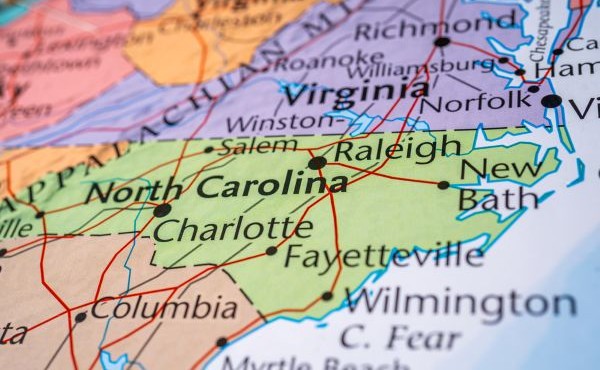
North Carolina’s two largest commercial real estate markets entered the second half of 2026 with encouraging fundamentals, although conditions continue to vary by location and property type.
Charlotte and Raleigh-Durham are both benefiting from industrial demand and tenants’ preference for higher-quality office space. At the same time, new construction, limited corporate expansions and changing space requirements are creating different challenges in each market.
In Charlotte, office leasing continues to favor established business districts and amenity-rich locations. Uptown and Midtown remain important centers of activity, but SouthPark is becoming a stronger competitor for tenants seeking quality space, nearby retail and convenient access to affluent neighborhoods.
The shortage of larger office blocks in SouthPark has contributed to new build-to-suit proposals. Only a few existing properties can accommodate tenants requiring at least 20,000 square feet, while asking rents for desirable space have reached the low-$50-per-square-foot range. This indicates that tenants are still willing to pay a premium for the right combination of location, building quality and amenities.
Charlotte’s industrial sector is also recording meaningful activity. Approximately 3 million square feet was absorbed during the first part of the year, accompanied by about 7.5 million square feet of leasing. Vacancy declined modestly, reflecting continued interest in warehouse and flex properties.
However, the market’s construction pipeline has expanded to approximately 5.4 million square feet. When combined with roughly 22 million square feet of existing vacant space, new deliveries could place upward pressure on vacancy as the market moves into 2027. The current industrial vacancy rate of 7.1% could rise by approximately 40 basis points before the end of 2026.
Despite the additional supply, certain industrial properties may still achieve rent growth. Modern warehouses ranging from 200,000 to 350,000 square feet remain attractive to users, while higher flex-space rates could help push overall asking rents up by as much as 2.3% during the coming year.
Raleigh-Durham presents a somewhat different investment picture. Office leasing is being generated primarily by companies already operating in the region rather than businesses entering the market for the first time. Renewals, relocations and space-efficiency initiatives account for much of the activity.
Professional-services, financial, legal and technology companies are among the most active office users, with the average 2026 transaction measuring approximately 7,500 square feet. Larger corporate requirements have progressed more gradually, although activity could strengthen during the second half of the year.
Demand also remains heavily concentrated in better buildings. Class A properties accounted for 77% of Raleigh-Durham’s leased office square footage through midyear, reinforcing the flight-to-quality trend affecting office markets nationwide.
Industrial activity in Raleigh-Durham is shifting toward larger transactions. The average lease completed in 2026 has measured approximately 91,000 square feet, up from about 50,000 square feet during the preceding six quarters.
Manufacturers, utilities, building-material suppliers and distributors are helping drive this demand. Requirements exceeding 100,000 square feet are particularly active, but suitable modern facilities are becoming harder to find. Options are especially limited for companies needing at least 400,000 square feet across the region extending from Mebane toward the Carolina coast.
For investors, the two markets offer opportunities that require careful property selection. Charlotte’s expanding industrial inventory could increase competition among landlords, while Raleigh-Durham’s shortage of large, modern facilities may support existing assets and well-timed development. Within the office sector, both markets continue to demonstrate that tenants are prioritizing quality over quantity.
The overall outlook is positive but increasingly selective. Properties that meet current expectations for location, efficiency, amenities and building quality appear best positioned to capture demand as North Carolina’s commercial real estate markets continue to evolve.