
Commercial real estate has changed rapidly in recent years, but one trend has become clear: essentials-based properties—especially those tied to food—are proving the most reliable. From cold storage facilities to grocery-anchored shopping centers and quick-service restaurants, food-related assets continue to show strong demand and steady performance.
Consumers are feeling the impact of tariff uncertainty and persistent inflation, which has shifted spending habits. After a period of “revenge spending,” many households are now building savings again, responding to high prices by cutting back on discretionary purchases. This shift has contributed to a plateau in e-commerce’s share of total retail sales, which has held at 16.2% for three straight quarters—an unusual slowdown in a metric that once rose steadily.
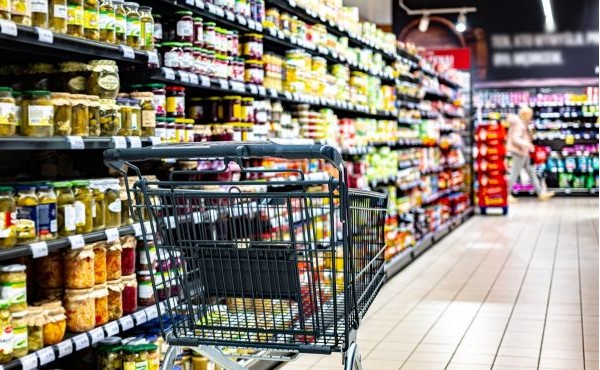
For retail and industrial real estate, this behavioral shift underscores the value of investing in necessities. Grocery stores and cold storage facilities support essential goods—food and pharmaceuticals—and offer resilience even in volatile markets. Grocery-anchored centers draw consistent foot traffic and often spark broader retail revitalization, especially in underserved areas. Aldi’s expansion into “food deserts” is a strong example of this trend, boosting activity for surrounding tenants in the process.
Capital markets data reinforces the strength of these sectors. Retail properties—excluding malls—now have one of the lowest delinquency rates in CRE and posted an 80% loan payoff rate at the end of 2024. Industrial assets continue to outperform all other major property types, with delinquencies at just 1.2% and payoff rates above 96%.
Despite macroeconomic uncertainty, demand for grocery-anchored retail and cold storage is expected to grow as populations increase. In today’s CRE landscape, essential goods aren’t just driving consumer behavior—they’re shaping the market’s most dependable investment opportunities.
Source: Area Development