
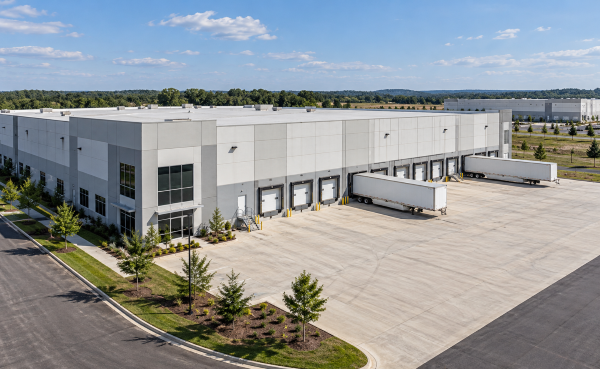
Industrial real estate investors have several encouraging indicators to consider as they evaluate acquisitions. Through August 2026, U.S. industrial transactions totaled $60.5 billion, while national rents increased 5.4% year over year to an average of $9.31 per square foot. Dallas led the markets covered in the report with $4.1 billion in sales.
Those figures provide useful perspective, but investment decisions require a closer examination of the conditions surrounding each property.
Rent Growth Requires Careful Underwriting
National industrial vacancy stood at 9.3% in August. Meanwhile, newly signed leases averaged $10.19 per square foot—88 cents above existing rents. That premium has narrowed substantially over the past two years.
For buyers, the practical question is how much rent growth a particular property can support. Underwriting should account for competing vacancies, lease expirations and the improvements needed to attract or retain tenants. Acquisition assumptions become less dependable when they rely heavily on future rent increases.
Texas Illustrates the Importance of Local Supply
Dallas recorded 7.5% annual industrial rent growth, and both Dallas and Houston maintained solid gains despite substantial construction. However, space under construction in Dallas represented 3.5% of existing inventory.
Investors should examine where those deliveries will occur and whether they compete directly with an acquisition target. A nearby project with similar building specifications may affect leasing prospects differently than a large distribution facility serving another tenant segment.
Match the Building to Its Tenant Market
A useful investment review extends beyond location and price. Clear height, loading access, truck circulation, power capacity and the ability to divide space can influence a building’s suitability for prospective tenants.
Buyers should also consider the cost of correcting physical limitations. An attractive purchase price can lose its appeal if substantial improvements are necessary to make the property competitive.
The current industrial market supports a selective approach: evaluate achievable income, competing supply and capital requirements together. National trends provide context; the property’s ability to serve its local tenant market determines the investment case.
Source: CRE Daily