
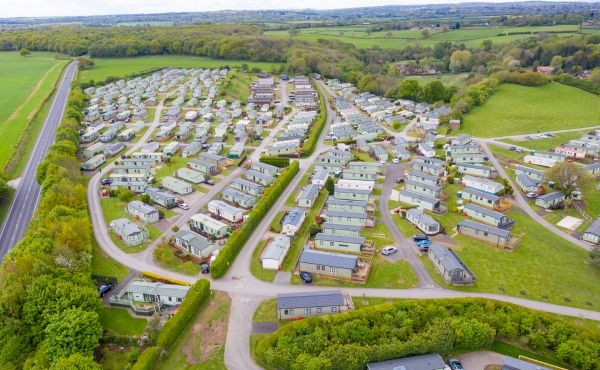
Mobile home parks, also known as manufactured housing communities, are becoming an increasingly compelling asset class for investors focused on stable income, long-term demand drivers and portfolio diversification. Once viewed as a niche segment of commercial real estate, MHPs are now drawing broader attention as housing affordability challenges continue to reshape the residential market.
At the center of the investment thesis is a simple but powerful demand driver: many households need quality housing at a lower cost than traditional site-built homes or conventional apartments. Manufactured housing communities help meet that need by offering residents a more attainable housing option while providing investors with a real estate asset backed by consistent occupancy and recurring income. Industry reports continue to point to strong occupancy, steady rent growth and sustained demand across the manufactured housing sector.
For investors, mobile home parks can offer several advantages. The business model is often based on leasing the underlying home site rather than the home itself, which can reduce certain ownership and maintenance responsibilities compared with other residential asset classes. Many residents own their homes and rent the pad, creating a naturally sticky tenant base because relocating a manufactured home can be costly and difficult. That dynamic can support long-term occupancy and predictable cash flow when communities are well-located and professionally managed.
Supply constraints also strengthen the case for MHP investment. New manufactured housing communities are difficult to develop in many markets because of zoning restrictions, entitlement hurdles and community opposition. With new supply limited, existing well-positioned parks can become increasingly valuable, particularly in growing markets where demand for affordable housing continues to rise. Northmarq noted that limited new community development is one of the factors supporting the sector’s stability and resilience.
Mobile home parks may also serve as an effective diversification tool. While office, retail, industrial and multifamily assets are often influenced by business cycles, interest rates and tenant-specific demand shifts, manufactured housing communities are tied to a basic need: affordable shelter. That does not make the asset class risk-free, but it can provide a different demand profile within a broader real estate portfolio.
The opportunity is not limited to passive income. Many MHP investments also have a value-add component. Investors may be able to improve roads, utilities, landscaping, signage, management systems and resident amenities. In some communities, vacant pads or underutilized land may create room for additional occupancy growth. These improvements can enhance resident satisfaction while also supporting stronger net operating income over time.
Like any commercial real estate investment, due diligence is critical. Investors should evaluate infrastructure condition, utility responsibility, local regulations, tenant mix, rent levels, occupancy trends, flood or environmental exposure, and the competitive housing landscape. The most attractive opportunities are typically those where the fundamentals are strong, the resident base is stable and the business plan is realistic.
For investors seeking long-term income, mobile home parks offer a unique combination of affordability-driven demand, limited new supply and operational upside. As capital continues to look for resilient real estate sectors, manufactured housing communities are likely to remain an important part of the conversation.
Griffin Partners brokers are active in mobile home park and manufactured housing community transactions on a national level. Through its affiliation with Sperry Commercial Global Affiliates, Griffin Partners is positioned to expose MHP opportunities to a broad network of qualified investors and buyers, helping clients evaluate, market and execute transactions in this increasingly sought-after asset class.