
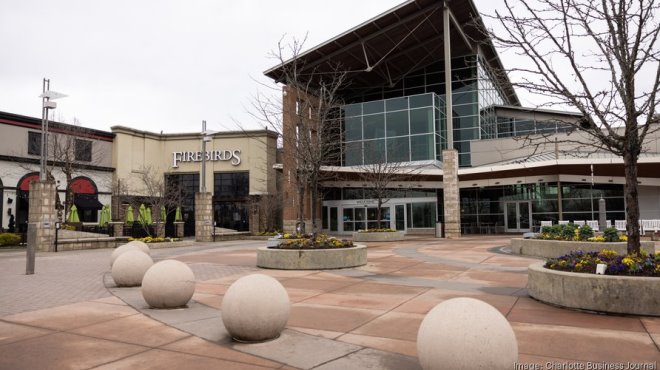
For years, images of half-empty shopping malls have symbolized the struggles of retail real estate. But that narrative may be starting to shift, at least for certain properties, as investors begin to see renewed opportunity in the sector.
While institutional capital has recently favored open-air retail centers, new research from Altus Group suggests enclosed malls could be regaining relevance. Single-asset mall sales picked up sharply in 2025, with 38 transactions closing in the first three quarters alone — matching the total for all of 2024. Altus projects more than 50 mall deals could close by year-end, potentially making 2025 the third-busiest year for mall sales in over two decades, trailing only 2022 and 2004.
Conditions that once made malls a risky bet are slowly improving. Tenant turnover is easing, and after years of declining occupancy, absorption is rising while vacancy rates have stabilized, according to Cushman & Wakefield’s third-quarter report.
Consumer behavior is also supporting the rebound. Despite economic uncertainty, tariffs and softer employment figures, retail spending has remained resilient. While some owners are cautious about forecasts for slower sales and higher costs in 2026, economists largely believe the sector can withstand those pressures.
Top-tier malls are leading the recovery. Demand for space in the country’s most desirable shopping centers is strong, with vacancies tightening significantly. Simon Property Group, the nation’s largest mall owner, reported portfolio-wide occupancy of 96.4% in the third quarter, highlighting the performance gap between premium assets and the rest of the market.
Recent high-profile transactions underscore investor interest. Altus points to the $332.1 million sale of California’s Lakewood Center as evidence of continued confidence in well-located malls. While the sale price was well below the property’s $620 million appraisal from a decade ago, it exceeded S&P Global Ratings’ more recent $280 million valuation.
Looking ahead, brokers expect strong foot traffic and retailer demand to continue for Class-A malls in 2026. However, the divide between high-quality centers and struggling properties is expected to widen, as retailers focus their expansion efforts on proven destinations.
As CBRE’s Americas head of retail research, Ebere Anokute, recently noted, landlords have limited pricing power for less desirable space, and retailers are increasingly selective about where they locate.
That dynamic is accelerating the removal of outdated retail stock. In the first nine months of the year, 13 million square feet of U.S. retail space was demolished — largely obsolete malls — according to JLL. During the same period, just 7.6 million square feet of new retail space was delivered, reinforcing investor confidence that tightening supply will continue to support the strongest assets in the market.
Source: Bisnow